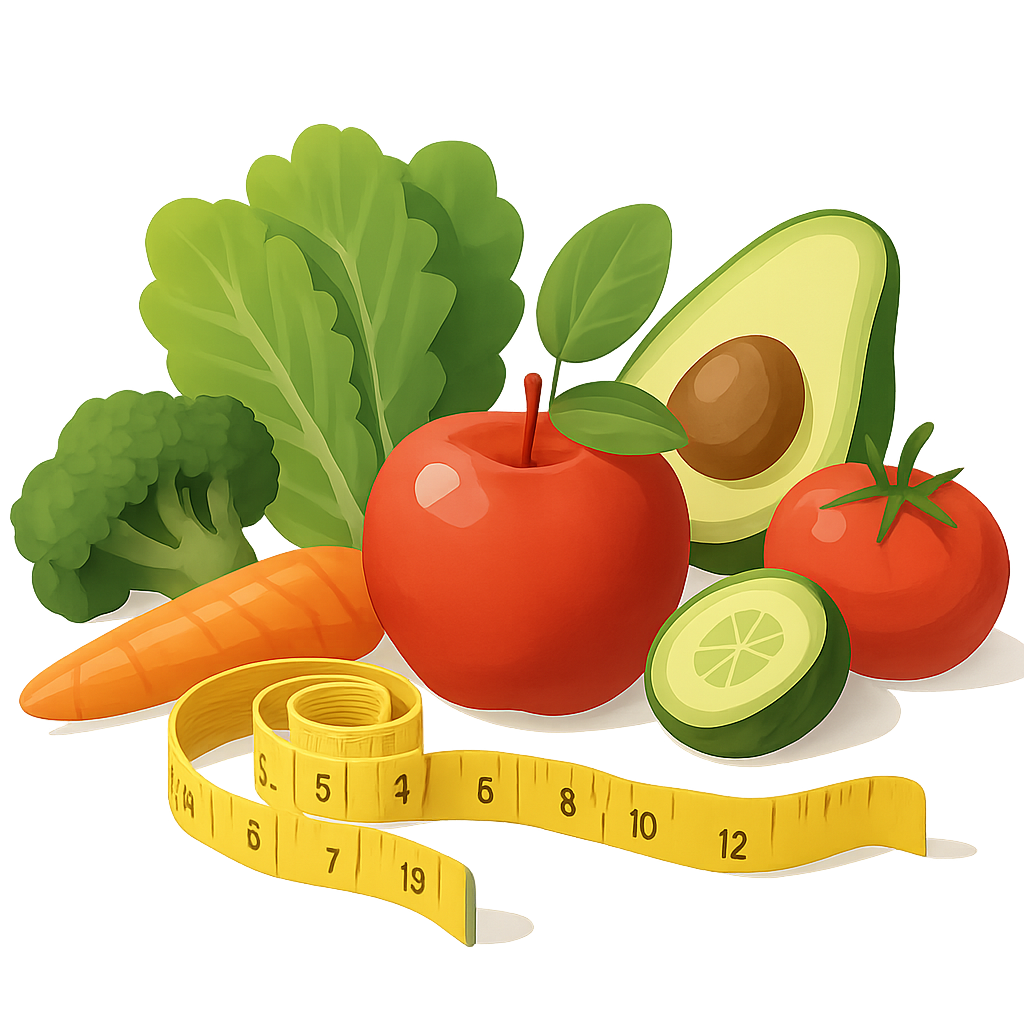
Why Men Over 40 Gain Belly Fat and How to Stop It
Discover why men over 40 gain belly fat due to hormonal shifts and metabolism changes, and the proven strategies to lose it for good.
In This Article▾
- The Real Reason You're Gaining Belly Fat After 40 Isn't What You Think
- Testosterone Decline: The Hormone Nobody Talks About Enough
- How Cortisol Is Quietly Making Things Worse
- Insulin Resistance: The Metabolic Driver Men Over 40 Ignore
- What Actually Moves the Needle: Practical Steps That Address the Root Cause
- The Supplement Question
The Real Reason You're Gaining Belly Fat After 40 Isn't What You Think
Most men blame laziness or a slowing metabolism for the gut that appears after 40. But that's not the full picture. The truth is, why men gain belly fat after 40 has far more to do with hormonal shifts than willpower, and understanding those shifts is the only way to actually stop it.
This isn't about eating less and moving more. You've probably already tried that. And it probably didn't work as well as it should have.
Editor's Pick
We Tested Dozens. These 5 Actually Work.
After months of research and real-world testing, we put together a no-fluff ranking of the most effective supplements in this category for men over 40.
See Our Top 5 Picks →Testosterone Decline: The Hormone Nobody Talks About Enough
Starting around age 30, testosterone levels drop by roughly 1% per year. By your mid-40s, that adds up fast. Low testosterone doesn't just affect your mood or libido. It directly drives fat accumulation, especially visceral fat around the abdomen.
Visceral fat in men over 40 isn't just cosmetic. It wraps around internal organs and drives inflammation, insulin resistance, and cardiovascular risk.
Here's the thing most fitness influencers skip over: visceral fat itself lowers testosterone. So the more belly fat you gain, the harder it becomes to stop gaining it. It's a hormonal loop that exercise alone won't break.
Testosterone also regulates muscle mass. Less testosterone means less muscle. Less muscle means a slower metabolism. And a slower metabolism means the same eating habits that kept you lean at 30 will make you gain weight at 45.
How Cortisol Is Quietly Making Things Worse
Cortisol is your stress hormone. And honestly, most men over 40 are carrying more chronic stress than they realize. Career pressure, poor sleep, financial demands. It all adds up.
Chronically elevated cortisol tells your body to store fat, specifically in the abdominal region. Harvard Health has documented the link between stress hormones and belly fat accumulation, and the research is pretty clear.
Cortisol also spikes hunger, drives cravings for sugar and processed carbs, and degrades sleep quality. Poor sleep then raises cortisol further. So again, you're stuck in a cycle.
And to be fair, most stress-reduction advice is vague to the point of being useless. "Meditate more" isn't a plan. Concrete steps matter, and we'll get there.
Insulin Resistance: The Metabolic Driver Men Over 40 Ignore
As testosterone drops and cortisol rises, insulin sensitivity takes a hit. Your cells stop responding efficiently to insulin. So your pancreas pumps out more. And chronically high insulin is one of the most powerful fat-storage signals your body has.
Straight up, this is the mechanism that explains why a man can eat "reasonably well" and still gain belly fat year over year. It's not calories in versus calories out. It's the hormonal environment those calories enter.
Research published on PubMed confirms the relationship between low testosterone, insulin resistance, and visceral fat accumulation in middle-aged men. This is not fringe science. It's well-established endocrinology.
What Actually Moves the Needle: Practical Steps That Address the Root Cause
Prioritize Sleep Like Your Hormones Depend on It. Because They Do.
Seven to nine hours of quality sleep is not optional. Testosterone is primarily produced during deep sleep. One week of sleeping under six hours measurably reduces testosterone levels in healthy young men. The effect is worse in men over 40.
Fix your sleep before you optimize anything else. Everything else is secondary.
Strength Training Over Cardio for Visceral Fat Loss
Long cardio sessions don't stimulate testosterone. Resistance training does. Compound movements like squats, deadlifts, and rows trigger hormonal responses that support muscle retention and fat loss simultaneously.
I'll be honest: three solid strength sessions per week will do more for your belly fat than running five days a week. The research consistently backs this up, even if it's not what gyms want to sell you.
Rethink What You're Eating, Not Just How Much
Processed carbohydrates spike insulin hard. Reducing refined carbs and increasing protein and healthy fats helps stabilize blood sugar and improve insulin sensitivity. It also supports testosterone production, since cholesterol from dietary fat is a precursor to testosterone synthesis.
This doesn't mean going fully carnivore or cutting every carb. It means being smarter about quality.
Manage Cortisol With Structure, Not Vague Wellness Advice
Practical cortisol management looks like consistent sleep times, limiting alcohol (which raises cortisol and tanks testosterone), reducing caffeine after noon, and building actual recovery into your schedule. Not just saying you will.
Some guys look into supplements for hormonal balance. If your testosterone dip is hitting more than just your belt size, check out a Boostaro review with honest, real-world results before you fork over any cash. 'Cause honestly, who wants to waste money?
Get Your Levels Tested
You can't fix what you don't measure. Ask your doctor for a full hormone panel, including total and free testosterone, SHBG, estradiol, fasting insulin, and cortisol. Many men are surprised by what they find.
Don't guess. Test.
The Supplement Question
Look, the supplement industry targets men over 40 aggressively. Most products are overhyped. But some ingredients have legitimate research behind them, including ashwagandha for cortisol, magnesium for sleep and insulin sensitivity, and zinc for testosterone support.
Thinking of diving deeper? A science-based take on Boostaro's worth cuts the marketing nonsense. And if your sexual health's taking a hit from hormone drops, it’s smart to check out ED supplements ranked by evidence. It gives a better starting point than those random reviews.
But supplements are not a replacement for sleep, training, and diet. They're a potential addition. Prioritize accordingly.
Frequently Asked Questions
Why do men specifically gain belly fat after 40?
Men gain belly fat after 40 primarily because of declining testosterone, rising cortisol, and worsening insulin sensitivity, all of which promote abdominal fat storage. These hormonal changes accelerate in the fourth decade of life and create a self-reinforcing cycle that calorie restriction alone rarely breaks.
Is visceral fat more dangerous than regular fat?
Yes. Visceral fat surrounds internal organs and is metabolically active in harmful ways, producing inflammatory cytokines and contributing to insulin resistance, heart disease, and type 2 diabetes. It's significantly more dangerous than subcutaneous fat, which sits just under the skin.
Can testosterone replacement therapy help with belly fat?
Testosterone replacement therapy (TRT) can reduce visceral fat in men with clinically low testosterone, but it carries risks and should only be pursued under medical supervision. Lifestyle interventions, including sleep, strength training, and dietary changes, should generally come first.
How long does it take to lose belly fat after making these changes?
Most men see measurable changes within 8 to 12 weeks of consistent sleep improvement, resistance training, and dietary adjustments. Horm
James Carter is the lead reviewer at Men Vitality Hub. For the past decade he has researched men's health supplements, digging through ingredient studies, real buyer feedback and refund policies so readers can decide with confidence. Every review follows the same process: published research, verified user reports and hands-on price checking.