Visceral Fat vs Subcutaneous Fat: What Men Over 40 Must Know
Discover the key differences between visceral and subcutaneous fat, why visceral fat is dangerous for men over 40, and how to effectively reduce it.
In This Article▾
- The Belly Fat Most Men Don't Know Is Killing Them
- Visceral Fat vs Subcutaneous Fat: What's the Real Difference?
- Why Men Over 40 Are Especially Vulnerable
- How to Tell If You Have Too Much Visceral Fat
- Nutrition Strategies That Target Visceral Fat Specifically
- Exercise: What Actually Works on Visceral Fat
- The Testosterone and Visceral Fat Connection
The Belly Fat Most Men Don't Know Is Killing Them
Nearly 40% of adults carry dangerously high levels of visceral fat, yet most of them have no idea. You can look relatively lean and still be sitting on a metabolic time bomb. For men over 40 dealing with visceral fat, this distinction isn't just academic. It's life or death.
Most guys assume belly fat is belly fat. It's not. There are two completely different types, and one of them is far more dangerous than the other.
Editor's Pick
We Tested Dozens. These 5 Actually Work.
After months of research and real-world testing, we put together a no-fluff ranking of the most effective supplements in this category for men over 40.
See Our Top 5 Picks →Visceral Fat vs Subcutaneous Fat: What's the Real Difference?
Subcutaneous fat sits just beneath the skin. You can pinch it. It's the soft stuff around your waist, hips, and thighs. Honestly, it's not great, but it's not your biggest problem either.
Visceral fat is different. It wraps around your internal organs, including your liver, pancreas, and intestines. You can't see it or feel it. And it behaves more like an active organ than passive storage.
Visceral fat releases inflammatory chemicals called cytokines directly into the bloodstream. This is what makes it so uniquely damaging. According to research published in the NIH's National Library of Medicine, visceral adiposity is independently associated with cardiovascular disease, type 2 diabetes, and metabolic syndrome.
Subcutaneous fat doesn't do that. So while you might want to lose both, visceral fat is the one you need to take seriously right now.
Why Men Over 40 Are Especially Vulnerable
Here's the thing. Aging changes how your body distributes fat. Testosterone levels in men drop roughly 1-2% per year after age 30. And lower testosterone accelerates visceral fat accumulation. It's a frustrating cycle.
Cortisol also becomes more of a problem as you get older. Chronic stress, poor sleep, and demanding careers all drive up cortisol. Cortisol actively promotes fat storage in the abdominal region. So the harder you're working in your 40s, the more your body might be working against you.
Insulin sensitivity also declines with age. When your cells stop responding properly to insulin, blood sugar stays elevated longer and fat storage increases. Visceral fat actually worsens insulin resistance, which then promotes more visceral fat. You can see how quickly this spirals.
And here's something most men don't connect: high visceral fat has been linked to lower testosterone and even erectile dysfunction. If you're exploring options like Boostaro Review: Does It Actually Work? My Honest Results, understanding how visceral fat affects hormone levels is a critical piece of the picture.
How to Tell If You Have Too Much Visceral Fat
You don't need a DEXA scan, though that's the most accurate method. A simple waist circumference measurement gives you a solid indicator.
- Low risk: Waist under 37 inches for men
- Increased risk: Waist between 37 and 40 inches
- High risk: Waist over 40 inches
Measure at the level of your belly button, not where your pants sit. Most guys measure too low and underestimate their waist size. To be fair, the waist measurement isn't perfect, but it's a practical starting point.
Your waist-to-hip ratio also matters. Divide your waist measurement by your hip measurement. A ratio above 0.9 in men signals higher visceral fat risk, according to the Mayo Clinic.
Nutrition Strategies That Target Visceral Fat Specifically
Not all diets reduce visceral fat equally. Straight up, some popular approaches barely touch it.
The research is clearest on a few specific strategies:
- Cut refined carbohydrates aggressively. White bread, sugary drinks, and processed snacks spike insulin and promote visceral storage. This matters more than cutting overall calories.
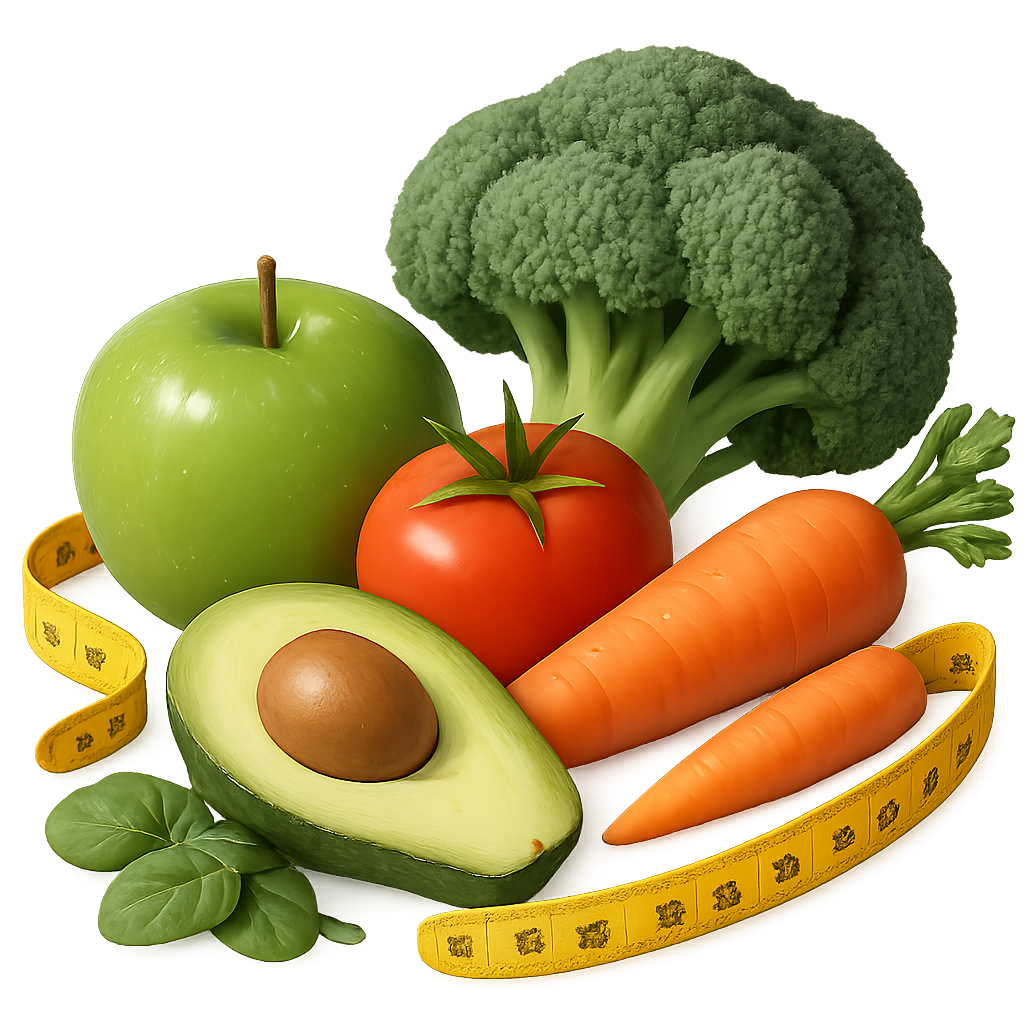
- Prioritize soluble fiber. Oats, flaxseed, legumes, and apples all contain soluble fiber, which has been shown in multiple studies to specifically reduce visceral fat over time.
- Increase protein intake. Aim for 0.7 to 1 gram of protein per pound of bodyweight. Protein improves satiety, preserves muscle mass, and reduces the hormonal signals that drive visceral accumulation.
- Reduce alcohol. Even moderate drinking has a disproportionate effect on visceral fat in men. It doesn't mean you can never drink. But if you're serious, it has to come down.
- Add omega-3 fatty acids. Fatty fish, walnuts, and fish oil supplements support anti-inflammatory pathways that help reduce visceral fat over time.
I'll be honest. There's no single superfood that burns visceral fat. Anyone selling you that idea is after your wallet, not your health.
Exercise: What Actually Works on Visceral Fat
Cardio alone isn't enough. And long, slow walks, while fine for general health, won't make a dent in visceral fat for most men over 40.
High-intensity interval training (HIIT) and resistance training are the two most evidence-supported approaches for reducing visceral fat. HIIT boosts metabolic rate and improves insulin sensitivity. Resistance training builds muscle tissue that increases your resting metabolism and helps regulate testosterone naturally.
You don't need to train like an athlete. Three strength sessions and two HIIT sessions per week is a realistic, effective target. Consistency over intensity.
Sleep is also non-negotiable. Under 6 hours per night significantly raises cortisol and drives visceral fat storage. That's not an opinion. That's documented in multiple clinical studies.
The Testosterone and Visceral Fat Connection
This is where it gets personal for a lot of men. Visceral fat converts testosterone to estrogen through a process called aromatization. More visceral fat means more estrogen, less testosterone, and a harder time losing the fat in the first place.
If you're also dealing with low energy, reduced libido, or other symptoms tied to low testosterone, it's worth looking at how metabolic health and hormone support intersect. ED Supplements Ranked: Which One Is Worth Your Money? explores some of the options men are using to address these downstream effects while working on the root cause.
Frequently Asked Questions
What is the fastest way to reduce visceral fat in men over 40?
The fastest approach combines caloric reduction, resistance training, and HIIT exercise consistently over several weeks. No single strategy works in isolation. The combination of cutting refined carbs, increasing protein, and performing at least 150 minutes of weekly vigorous exercise produces the most measurable reduction in visceral fat according to current research.
Can you have visceral fat without looking overweight?
Yes, and this is called being "metabolically obese but normal weight." Some men carry dangerous levels of visceral fat with a relatively normal BMI. Waist circumference is a more reliable indicator than bodyweight alone for identifying visceral fat risk.

James Carter is the lead reviewer at Men Vitality Hub. For the past decade he has researched men's health supplements, digging through ingredient studies, real buyer feedback and refund policies so readers can decide with confidence. Every review follows the same process: published research, verified user reports and hands-on price checking.