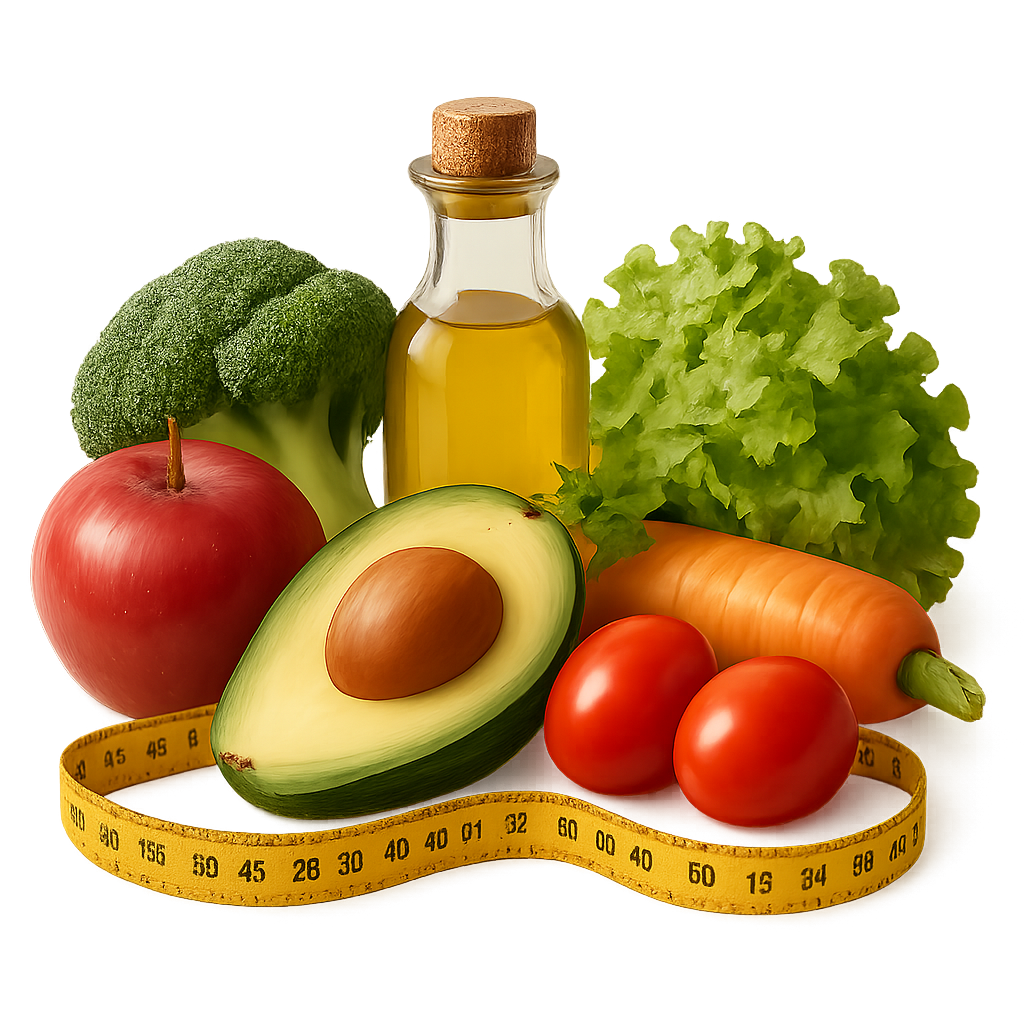
Menopause: Plant-Forward Diets Can Help With Weight Management
Discover how adopting a plant-forward diet during menopause can support healthy weight management and ease the hormonal changes that come with this life st
In This Article▾
New Research Shows Plant-Based Eating Supports Weight Management During Menopause
Women going through menopause are up to three times more likely to experience significant weight gain compared to other life stages, according to research published in the journal Menopause. But a growing body of evidence suggests that shifting toward a plant-forward diet could make a real difference in weight management during this transition. And honestly, the findings are more encouraging than most people expect.
A new study found that diets rich in plant foods, and lower in processed, animal-based products, were associated with healthier body weight outcomes in menopausal women. That's not a minor footnote. That's a meaningful signal worth paying attention to.
Editor's Pick
We Tested Dozens. These 5 Actually Work.
After months of research and real-world testing, we put together a no-fluff ranking of the most effective supplements in this category for men over 40.
See Our Top 5 Picks →What the Research Actually Says
The study took a deep dive into what women eat during perimenopause and postmenopause. Turns out, those who loaded up on veggies, legumes, whole grains, and fruits carried less weight and had less belly fat. Not too shabby.
Abdominal fat is particularly relevant here. During menopause, estrogen levels drop, and fat tends to redistribute toward the belly rather than the hips and thighs. This shift isn't just cosmetic. Excess visceral fat raises the risk of cardiovascular disease, type 2 diabetes, and metabolic syndrome.
To be fair, this study doesn’t claim that eating more plants magically fixes menopause symptoms. It's just showing a link. But you put this together with decades of nutritional research, and the pattern stands out.
Why Plant Foods Help With Hormonal Weight Shifts
Here's the thing about going plant-based. It's not just one rigid diet. It's more of an approach. We're talking more fiber, more antioxidants, and way fewer calories per bite than the usual Western diet.
Fiber is a big deal for menopausal weight management. It slows digestion, stabilizes blood sugar, and helps you feel full longer. Most American women get about half the recommended 25 grams of fiber per day. Legumes, oats, and vegetables can close that gap fast.
Plant foods usually rank lower on the glycemic index. That's key because blood sugar spikes and crashes can become more common post-menopause due to changes in insulin sensitivity. Stabilizing those swings might help curb overall calorie intake. All without counting a single calorie.
Phytoestrogens? They're part of the mix too. These plant compounds, in soy, flaxseed, and lentils, mimic estrogen a bit. Research from the National Institutes of Health suggests they could help with some hormonal symptoms and metabolism. But, let's be honest, results can vary for each person.
What a Plant-Forward Diet Actually Looks Like
This is where a lot of health content gets annoyingly vague. So let's be specific.
Plant-forward doesn't mean ditching all meat and cheese. It's about loading up on veggies. Think of it as tweaking the ratio, not flipping it upside down.
- Half your plate: non-starchy vegetables like leafy greens, broccoli, peppers, and cucumbers
- A quarter of your plate: whole grains like quinoa, brown rice, or farro
- The remaining quarter: protein from legumes, tofu, eggs, or small portions of lean meat or fish
- Healthy fats from avocado, olive oil, nuts, and seeds
Processed foods, even the plant-based ones, aren't off the hook. Vegan cookies? Still cookies. The good stuff is whole, minimally processed plant foods. Just because it’s meatless doesn’t make it magic.
Other Lifestyle Factors That Work Alongside Diet
Diet matters a lot. But it doesn't work in isolation.
Strength training is arguably the most underutilized tool for menopausal weight management. Muscle mass declines with age, and less muscle means a slower resting metabolism. Resistance exercise two to three times a week can counteract that significantly.
Sleep is also a non-negotiable. Poor sleep, which is extremely common during menopause due to night sweats and hormonal fluctuations, raises cortisol and ghrelin levels. Both of those hormones promote fat storage and increase appetite. Fixing your sleep can indirectly support your weight goals in ways no diet can fully compensate for.
Some women also explore supplements to support their efforts. If you're curious about what's actually been studied, this honest FitSpresso review breaks down whether the evidence supports its weight management claims, which is worth a read before spending money on anything.
Mayo Clinic's guidance on menopause and weight gain also emphasizes that lifestyle interventions, not quick fixes, are what produce lasting results.
What Doctors and Dietitians Actually Recommend
Most registered dietitians working with menopausal women recommend a Mediterranean-style approach as a starting point. It's plant-heavy, includes healthy fats, allows moderate amounts of fish and poultry, and has decades of research backing its cardiovascular and metabolic benefits.
Straight up, it's one of the most consistently well-supported dietary patterns in the scientific literature. Not perfect for everyone, but a solid foundation.
Working with a registered dietitian who specializes in women's health can help you adapt general principles to your specific health history, food preferences, and any medications you're taking. Personalization matters more than most generic diet advice suggests.
Frequently Asked Questions
Can a plant-based diet really help with weight management during menopause?
Yep, the research backs it up. Plant-forward diets are linked to lower body weight and less belly fat in menopausal women. The fiber, fewer calories, and steadying blood sugars in whole plants help with weight during this tricky time.
How quickly can dietary changes affect weight during menopause?
Results? They’re all over the place depending on who you are. Most studies show changes in 8 to 12 weeks if you stick with it. Losing weight during menopause? It’s slower. Hormones and metabolism are playing games, so keep at it. It’s about patience, not speed.
Are there specific plant foods that are most helpful during menopause?
Legumes, leafy greens, flaxseed, soy foods, oats, and veggies like broccoli are stars in menopause research. Flaxseed and soy have phytoestrogens for hormone balance. Lentils and chickpeas? They’re high-fiber champs that help control blood sugar and keep you full.
Do I need to completely eliminate meat to benefit?
Look, you don’t have to ditch meat entirely to get some of the benefits. Sure, the evidence says bumping up plant foods is a smart move. But it doesn't mean you need to swear off all animal products forever. Just swapping out a couple of meat-heavy meals a week for plant-focused ones can actually make a difference. That's actually not nothing.
This article is for informational purposes only and does not constitute medical advice.

James Carter is the lead reviewer at Men Vitality Hub. For the past decade he has researched men's health supplements, digging through ingredient studies, real buyer feedback and refund policies so readers can decide with confidence. Every review follows the same process: published research, verified user reports and hands-on price checking.