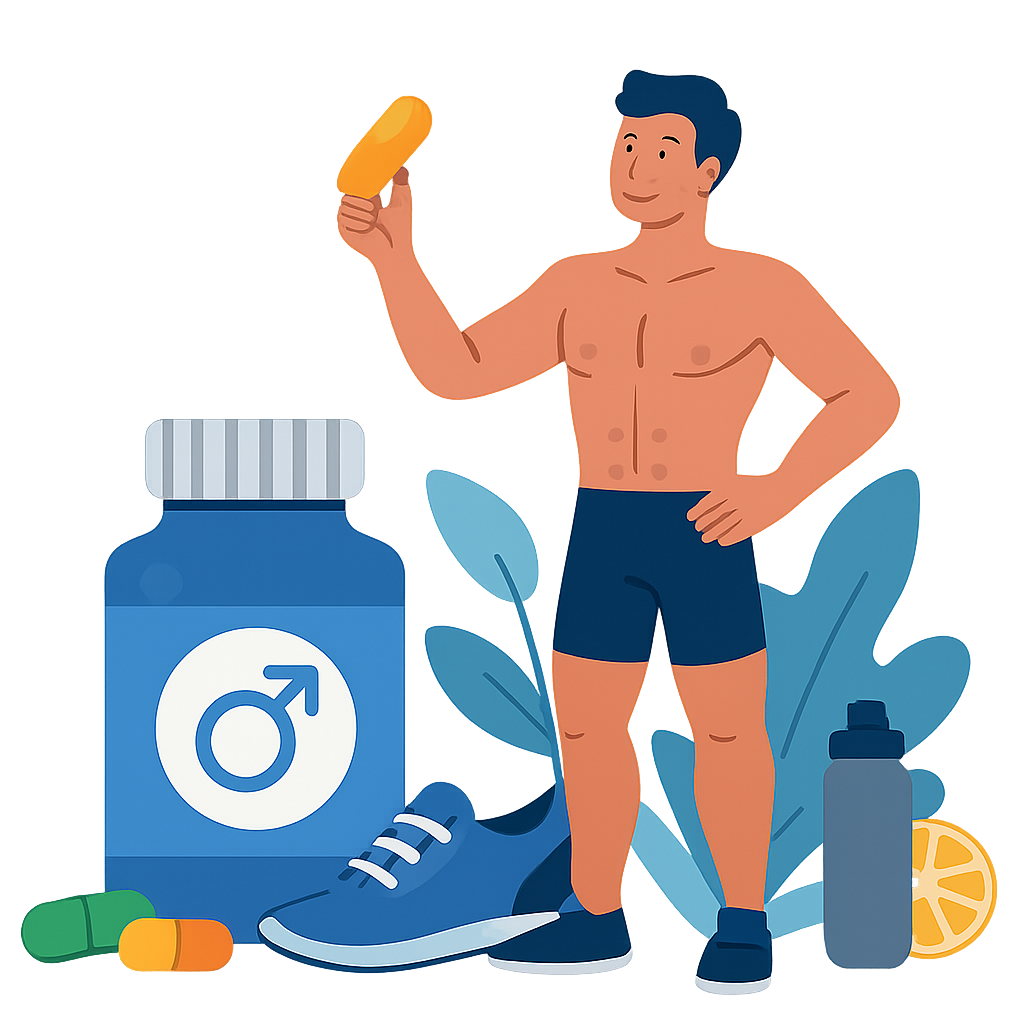
Lifestyle Changes That Reduce Prostate Inflammation Naturally
Discover evidence-based lifestyle changes, including diet, exercise, and stress management, that can naturally reduce prostate inflammation and support long-
In This Article▾
- When the Bathroom Becomes the Enemy
- Why Inflammation Happens in the Prostate
- Exercise Is the Most Underused Tool
- Weight Management and Hormonal Balance
- Stress Reduction and the Pelvic Floor Connection
- Smart Fluid Habits That Actually Help
- Sexual Activity and Prostate Health
- Sleep Quality Matters More Than You'd Think
When the Bathroom Becomes the Enemy
Mark was 47 when he started waking up three times a night to use the bathroom. His doctor said his prostate was enlarged and inflamed, but not yet serious enough for medication. "So what do I do?" he asked. The answer, it turned out, was mostly lifestyle. And that's exactly what this article is about.
If you're a guy over 35 and dealing with the joys of urinary urgency, pelvic discomfort, or even prostatitis or BPH, you're in good company. But here's the upside: there are solid, research-backed ways to reduce prostate inflammation naturally before you need to pop any pills. These tips? They're not magic, but they do make a difference.
Why Inflammation Happens in the Prostate
The prostate is a small gland, roughly the size of a walnut, sitting just below the bladder. It's sensitive to hormonal shifts, poor circulation, and chronic stress. When it gets irritated, it swells. That swelling presses on the urethra and causes those frustrating symptoms men often ignore for way too long.
Chronic prostatitis, the inflammatory form, affects roughly 8 to 10 percent of men and is one of the most common urological diagnoses in men under 50, according to the National Institutes of Health. Honestly, that number is probably higher because a lot of men just don't report symptoms.
Exercise Is the Most Underused Tool
Regular physical activity reduces systemic inflammation throughout the body, including in prostate tissue. That's not opinion. That's physiology.
Aerobic exercise does more than make you sweat. Stuff like brisk walking, cycling, or swimming boosts pelvic blood flow and helps tame those pesky inflammatory markers like CRP. According to a Harvard Health study, men who walked briskly for three hours a week had way fewer BPH-related symptoms than the couch potatoes. That’s a fact.
But here's the thing. Cycling gets complicated. Long sessions on a narrow saddle can actually compress the perineum and irritate the prostate. If cycling is your go-to, use a wide, padded seat and limit sessions to under an hour. To be fair, the evidence here is mixed, but it's worth being cautious.
Strength training also helps, mostly because it supports healthy testosterone metabolism and reduces excess estrogen in older men. Two to three sessions per week is enough. You don't need to become a gym rat.
Weight Management and Hormonal Balance
Carrying excess body fat, especially around the abdomen, directly disrupts hormone balance. Fat tissue converts testosterone into estrogen. That hormonal shift promotes prostate tissue growth and inflammation.
Losing even 5 to 10 percent of body weight can meaningfully reduce prostate symptoms in overweight men.
This isn't about aesthetics. It's about reducing the biochemical load on your prostate. Men with a BMI over 30 are significantly more likely to experience lower urinary tract symptoms, according to multiple urological studies. Straight up, obesity and prostate inflammation are connected in ways most men don't fully understand until it's already a problem.
Eating like you're in the Mediterranean, with loads of veggies, legumes, healthy fats, and lean protein, keeps your weight in check and fights inflammation. Meanwhile, processed foods, refined sugars, and too much red meat ramp up inflammation. So cutting back on those isn't just good advice. It's a smart move for your prostate.
Stress Reduction and the Pelvic Floor Connection
Chronic psychological stress causes muscle tension throughout the body. The pelvic floor is especially vulnerable. Tightened pelvic muscles can restrict blood flow to the prostate and worsen inflammation. This is why some men see their symptoms flare during stressful periods at work or in their relationships.
Mindfulness-based stress reduction (MBSR) could actually help. The Mayo Clinic backs the link between stress and inflammation. And get this, pelvic floor physiotherapy for men is a thing. It's helped many guys with chronic prostatitis more than meds did. Seriously.
Yoga and diaphragmatic breathing aren’t just Instagram fluff. They tap into the parasympathetic nervous system, cutting down cortisol and inflammation over time. Just 10 minutes a day of this stuff can make a noticeable difference. So maybe give it a shot.
Smart Fluid Habits That Actually Help
Most men with prostate issues make one of two mistakes. They either drink too little water, thinking it'll reduce their bathroom trips. Or they drink large amounts at night and wonder why they're up three times before dawn.
The goal? Keep hydrated all day. Cut it off after 6 PM. Aim for 1.5 to 2 liters of water daily. Spread it out, don't gulp it down. Staying hydrated keeps your urine dilute, which chills out your bladder and helps flush out the nasties.
Some drinks are just better left alone. Caffeine? It's a bladder bully and a mild diuretic. Alcohol, like your trusty beer, makes you pee more and can stir up inflammation. Those fizzy drinks and fake sweeteners? They can tick off your bladder lining. Not every guy reacts to all these, but if you're feeling rough, try cutting them out for a bit and see what happens.
Sexual Activity and Prostate Health
Turns out, regular ejaculation is actually good for prostate health. It's not the issue some think it is. Studies say frequent ejaculation clears prostatic fluid and might cut down on congestion and inflammation. One Harvard study followed over 30,000 guys and found that those getting busy 21 times a month had a lower risk of prostate cancer. Something to think about.
This is one area where lifestyle and general men's health intersect. If sexual dysfunction is also part of the picture, it's worth reading about options like the Alphastream Plus supplement or reviewing the best ED supplements of 2026 to understand what's available.
Sleep Quality Matters More Than You'd Think
Not getting enough sleep? It's messing with your cortisol and pumping up inflammatory cytokines. Guys skimping on sleep, less than 6 hours, show higher inflammation. And that inflammation? It doesn't stay put. It travels.
You need 7 to 8 hours of solid sleep. Same wake and sleep times. It's a powerhouse habit against inflammation. Plus, it keeps your testosterone in check, which drops when sleep goes south. That's a two-for-one deal that most folks just don't see.
Frequently Asked Questions
Can lifestyle changes actually reduce prostate inflammation without medication?
Sure, they often can. Research backs it up. Regular exercise, shedding some pounds, cutting stress, and eating smarter can really help with prostate inflammation. Especially if you're dealing with chronic prostatitis or early BPH. But let's be real, they're no substitute for a doctor's advice. Still, they're a solid first move.
How long does it take to see results from lifestyle changes?
Most guys see some improvement in 4 to 8 weeks if they stick with the changes. But, and here's the kicker, it really hinges on how bad the inflammation is, what changes you're actually making, and personal stuff like age and hormone levels. Keeping at it matters more than getting it perfect.
Is exercise safe if I already have prostate inflammation?
Generally, yes

James Carter is the lead reviewer at Men Vitality Hub. For the past decade he has researched men's health supplements, digging through ingredient studies, real buyer feedback and refund policies so readers can decide with confidence. Every review follows the same process: published research, verified user reports and hands-on price checking.