5 Lifestyle Changes That Actually Improve Erectile Function
Discover five science-backed lifestyle changes that can genuinely improve erectile function and help you reclaim confidence in the bedroom.
In This Article▾
- Are You Wondering If You Can Actually Fix Erectile Dysfunction Without Medication?
- 1. Aerobic Exercise Is the Single Most Supported Intervention
- 2. Sleep Quality Has a Bigger Impact Than Most Men Realize
- 3. Cutting Back on Alcohol Actually Makes a Noticeable Difference
- 4. Diet Changes That Directly Support Blood Flow and Erection Quality
- 5. Managing Stress and Mental Load Is Not Optional
Are You Wondering If You Can Actually Fix Erectile Dysfunction Without Medication?
You're not alone. Millions of men quietly ask this question every year. The good news is that erectile dysfunction lifestyle changes have real, research-backed evidence behind them, and improving your sexual health doesn't always start with a prescription.
Honestly, the data here is more convincing than most people expect. A 2022 meta-analysis published on PubMed found that aerobic exercise alone significantly reduced ED severity across multiple studies. That's not a minor finding.
Editor's Pick
We Tested Dozens. These 5 Actually Work.
After months of research and real-world testing, we put together a no-fluff ranking of the most effective supplements in this category for men over 40.
See Our Top 5 ED Picks →So let's get into what actually works.
1. Aerobic Exercise Is the Single Most Supported Intervention
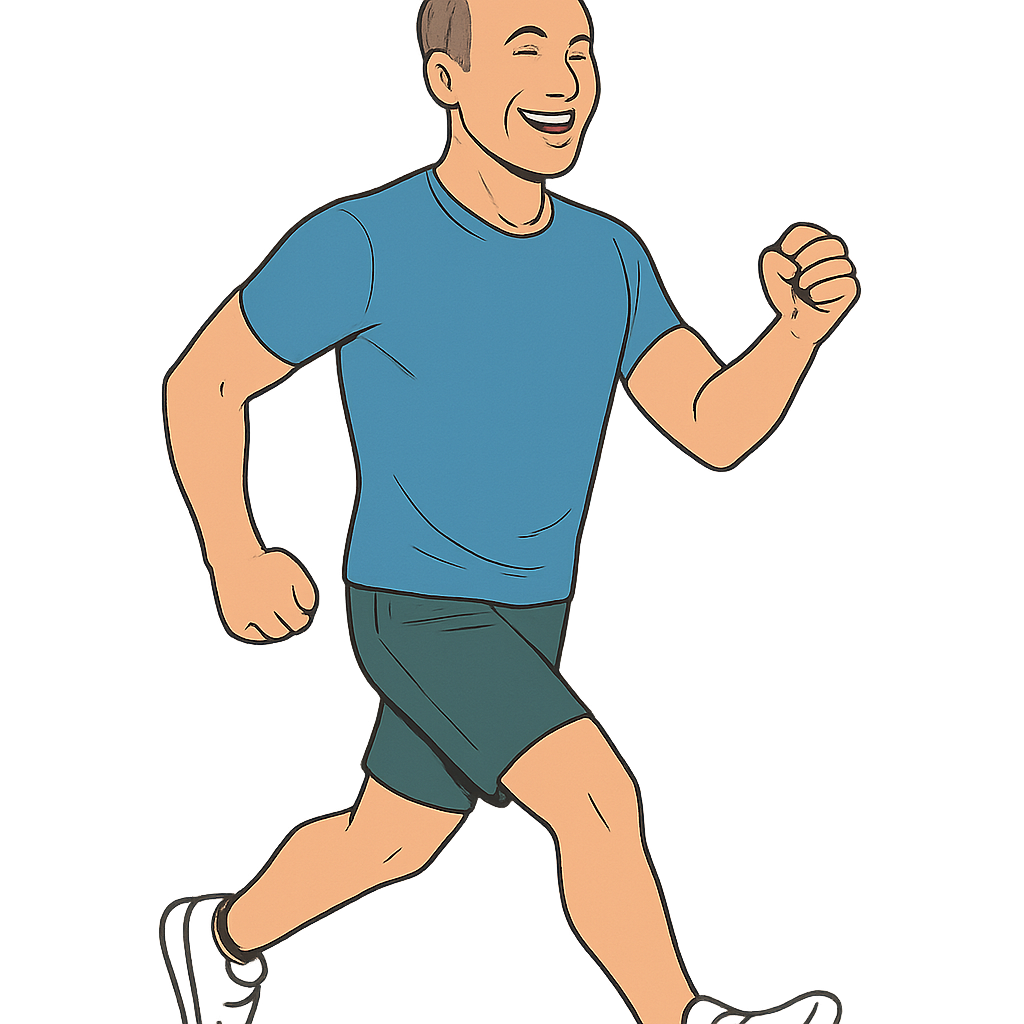
Straight up, if you do nothing else on this list, do this. Regular aerobic exercise improves blood flow, raises nitric oxide levels, and directly supports the vascular mechanisms behind erections. ED is often a circulation problem first, and exercise addresses that at the root.
You don't need a gym membership or a complicated program. Brisk walking, cycling, swimming, even jogging three to five times per week for 30 to 40 minutes has shown measurable improvements in erectile function scores in clinical trials.
To be fair, results aren't instant. Most studies tracked improvements over 3 to 6 months. But few interventions in men's health have this level of consistent, replicated evidence behind them.
What Kind of Exercise Works Best?
Cardio is the priority, but resistance training also helps. Pelvic floor exercises, sometimes called Kegel exercises for men, have shown specific benefits for erectile and ejaculatory function in several studies. They're easy to do and take about five minutes a day.
Combine both and you're covering more ground than most men ever do.
2. Sleep Quality Has a Bigger Impact Than Most Men Realize
Here's the thing about sleep: it's where testosterone production happens. Most testosterone is synthesized during deep sleep cycles. Cut your sleep short night after night, and your hormone levels take a hit. Low testosterone is a known contributor to reduced sexual desire and erectile difficulty.
Men who sleep less than 6 hours per night consistently show lower testosterone levels compared to those sleeping 7 to 9 hours, according to research from the University of Chicago. That's a significant difference, and it compounds over time.
Poor sleep also raises cortisol. And cortisol directly suppresses testosterone. It's a cycle that's hard to break if you're not taking sleep seriously.
Practical Ways to Improve Sleep for Sexual Health
- Keep a consistent sleep and wake time, even on weekends
- Reduce screen exposure 60 to 90 minutes before bed
- Keep your bedroom cool and dark
- Avoid large meals or alcohol close to bedtime
Simple stuff. But most men don't do it consistently.
3. Cutting Back on Alcohol Actually Makes a Noticeable Difference
Alcohol is a vascular depressant. In the short term, it impairs the nerve signals and blood flow needed for an erection. Most men have experienced this directly, even if they don't like to admit it.
But chronic heavy drinking does longer-term damage. Excessive alcohol use is associated with reduced testosterone, nerve damage, and liver problems that disrupt hormone metabolism. The National Institute on Alcohol Abuse and Alcoholism links heavy alcohol use directly to sexual dysfunction.
Moderate reduction, not necessarily total abstinence, is often enough to see improvement. Men who cut from heavy to moderate drinking frequently report better erectile function within weeks.
What Counts as "Moderate" Drinking?
Up to one drink per day for men is generally considered low-risk by most health guidelines. Two or more per day regularly starts to create problems, particularly over years. I'll be honest, this is one of the changes people resist the most, but it's also one of the faster ones to show results once you make it.
4. Diet Changes That Directly Support Blood Flow and Erection Quality
ED and cardiovascular disease share the same underlying mechanism: impaired vascular function. So a diet that's good for your heart is, straight up, good for your erections.
The Mediterranean diet has the strongest evidence in this area. It emphasizes vegetables, legumes, whole grains, fish, olive oil, and limited red meat. Multiple studies have linked adherence to this pattern with reduced ED risk and improved erectile scores in men who already have dysfunction.
Leafy greens deserve a specific mention. Foods like spinach, arugula, and beets are high in dietary nitrates, which the body converts to nitric oxide. Nitric oxide relaxes blood vessels and is the same mechanism that prescription ED medications work through, just at a lower magnitude.
Foods That Work Against You
- Processed meats and fried foods contribute to endothelial dysfunction
- High-sugar diets accelerate arterial stiffness over time
- Trans fats raise LDL and reduce vascular flexibility
If you're also exploring the best ED supplements in 2026, pairing them with a cleaner diet gives you a much better foundation to work from.
5. Managing Stress and Mental Load Is Not Optional
Performance anxiety and chronic psychological stress are legitimate physiological problems, not just "being in your head." Stress activates the sympathetic nervous system, which actively inhibits the parasympathetic response needed for an erection. It's not complicated once you understand the wiring.
Chronic stress elevates cortisol, reduces libido, and disrupts sleep, which feeds back into every other issue on this list. Men dealing with work pressure, relationship tension, or unresolved anxiety frequently report ED symptoms that have no physical cause at all.
Mindfulness-based stress reduction, therapy, and even regular physical activity all have evidence behind them for reducing stress-related erectile difficulty. This isn't soft advice. It's physiology.
When Lifestyle Changes Aren't Enough
Sometimes they aren't, and that's okay. You've tackled these five areas and still nothing? Might be time to chat with a doc. Could be something like diabetes, hypertension, or hormonal issues lurking in the background. Some guys also explore targeted nutritional support. If that's tickling your curiosity, check out our honest Boostaro review for the lowdown on a popular option.
Frequently Asked Questions
Can lifestyle changes really reverse erectile dysfunction?
Yes, for many men, lifestyle changes can seriously cut down or even eliminate erectile dysfunction. The evidence backs aerobic exercise, eating better, drinking less, sleeping more, and managing stress. But let's be real, results hinge on if your ED is lifestyle-driven or if there's a medical issue in the mix.
How long does it take to see improvement from exercise?
Most clinical studies show meaningful improvement in erectile function scores after 3 to 6 months of consistent aerobic exercise. Some men report changes sooner, particularly those whose ED was largely tied to poor cardiovascular fitness. Consistency matters more than intensity.
Does diet alone help with erectile dysfunction?
Diet alone can contribute to improvement, especially when it

James Carter is the lead reviewer at Men Vitality Hub. For the past decade he has researched men's health supplements, digging through ingredient studies, real buyer feedback and refund policies so readers can decide with confidence. Every review follows the same process: published research, verified user reports and hands-on price checking.